
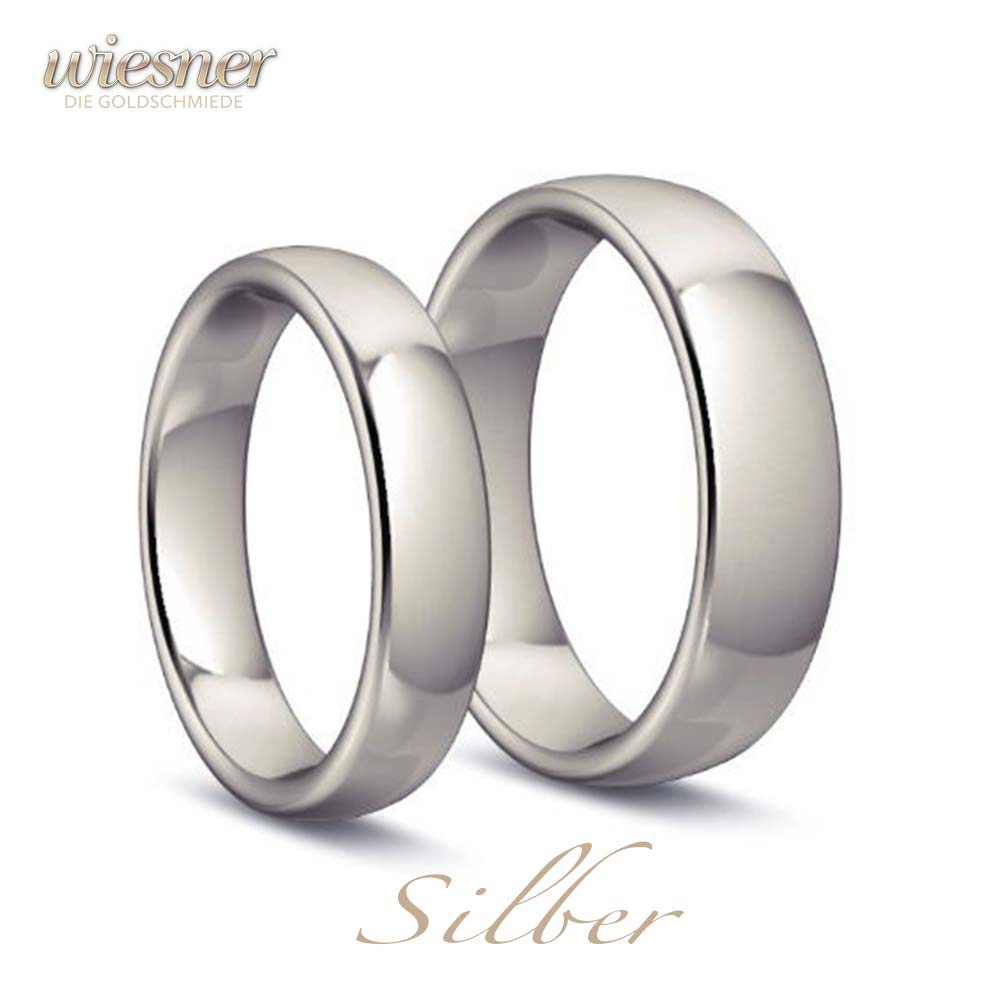
Silver as a Jewelry Metal: Properties, 925 Sterling Silver, and Care
Silver is one of the best-known precious metals and has been used for centuries in jewelry, everyday objects, and coins. In jewelry making, we value silver above all for its light color, its characteristic luster, and its workability.
However, pure silver is rarely used in jewelry. Much more common is 925 silver, also known as sterling silver. Through alloying, the comparatively soft fine silver acquires the properties necessary for crafting and the daily wear of a piece of jewelry.
What Is Silver?
Silver is a naturally occurring precious metal with the chemical symbol Ag. In its pure state, it has a very light, almost white metallic color and a distinctive luster.
Pure silver is also relatively soft. For this reason, it would not be ideally suited for many types of jewelry on its own. In the goldsmith’s workshop, silver is therefore typically alloyed with small amounts of other metals. This allows its strength to be specifically adjusted without losing the typical character of silver.
Why is 925 silver most commonly used for jewelry?
The most important silver alloy for jewelry making is 925 sterling silver. The number 925 indicates the fineness: out of 1,000 parts by weight, 925 consist of pure silver. This corresponds to a silver content of 92.5 percent.
The remaining 7.5 percent consists of alloying metals, often including copper, among others. This alloy makes the material harder and more suitable for many applications in jewelry making than nearly pure fine silver.
925 silver thus combines a high precious metal content with good workability and is therefore widely used in rings, pendants, necklaces, earrings, and numerous other pieces of jewelry.
Fine Silver and Sterling Silver—What’s the Difference?
Fine silver refers to silver with a particularly high silver content. It is soft and malleable, but is not always the best choice for jewelry subjected to significant mechanical stress.
Sterling silver contains 92.5 percent silver and additional alloying elements. This gives it greater strength. This difference is particularly crucial for jewelry: It is not just the highest possible fineness that determines a material’s quality, but also whether its properties are suitable for the specific piece of jewelry.
Silver in Jewelry Making
From a goldsmith’s perspective, silver is an exceptionally interesting material. It can be sawed, filed, forged, soldered, polished, and combined with other materials in a variety of ways.
Its light color also provides an effective backdrop for gemstones and diamonds. Depending on the design, silver can appear very understated or be a deliberate part of a high-contrast design.
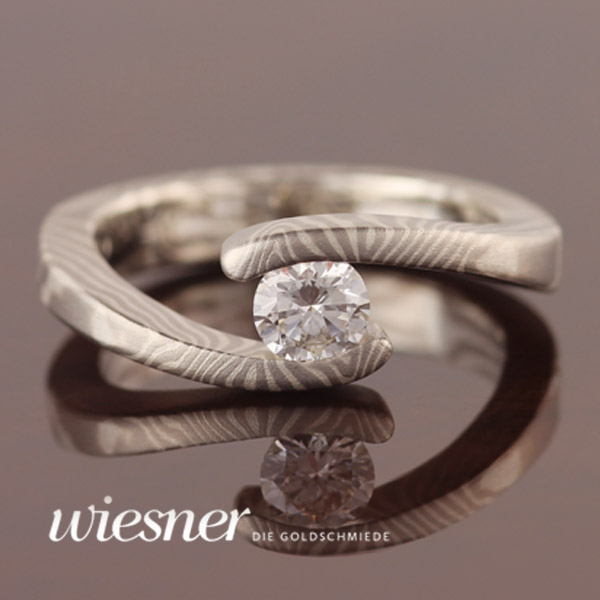
An example of silver used in an engagement ring. Here, silver is combined with palladium. The different metal tones create a clearly visible contrast.
What types of silver alloys are there?
In addition to 925 silver, there are several other silver alloys. The stamped number indicates how many parts out of 1,000 by weight consist of pure silver.
- 800 silver: contains 80 percent silver and has been—or is—used for cutlery and everyday items, among other things.
- 835 silver: contains 83.5 percent silver and is also found in older jewelry and silverware.
- 925 silver: consists of 92.5 percent silver and, as sterling silver, is the most important silver alloy for modern jewelry.
- 935 silver: has a slightly higher silver content at 93.5 percent and is also used for certain jewelry applications.
However, fineness is only one factor in evaluating a piece of jewelry. Equally important are the design, craftsmanship, material thickness, and the stresses to which the piece will be subjected later on.
925 Sterling Silver in Jewelry
925 silver can be used both for standalone pieces of jewelry and in combination with other precious metals.
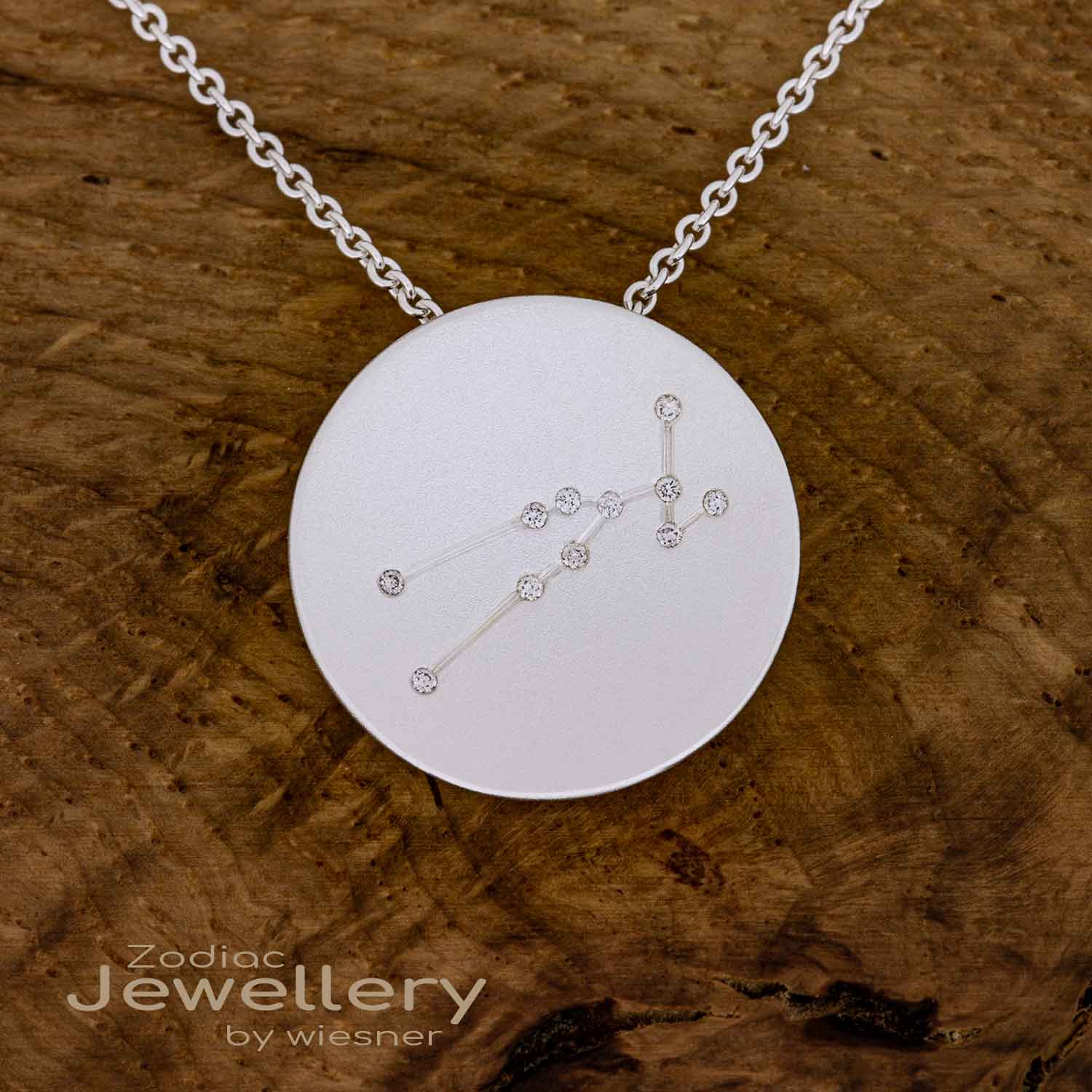
One example is sterling silver incorporated into a piece of jewelry set with diamonds. You can find more examples in our zodiac sign jewelry collection.
Why Does Silver Tarnish?
One of silver’s best-known properties is what’s known as tarnishing. Over time, the originally bright surface can turn yellowish, brownish, gray, or nearly black.
This does not mean that the silver is of inferior quality or damaged. The discoloration is caused by chemical reactions on the surface. Compounds containing sulfur from the environment, in particular, can play a role in this process.
How quickly silver jewelry tarnishes varies greatly. In addition to the environment, factors such as cosmetics, sweat, certain chemicals, or the way it is stored can influence this.
Is tarnished silver broken?
No. A tarnished surface is primarily a superficial change and not a sign that the piece of jewelry is disintegrating or has lost its fundamental quality.
In many cases, the typical silver luster can be restored through proper cleaning or polishing.
Scratches and Signs of Wear on Silver Jewelry
Silver, or sterling silver, is softer than some other precious metal alloys used in jewelry. Therefore, jewelry worn regularly may develop scratches, small dents, and other signs of wear over time.
This is especially true for rings, as they are constantly in contact with other objects and surfaces in everyday life.
Such signs of wear are normal at first. A polished surface becomes duller with increased use, while individual shiny spots may develop on a deliberately matte surface. If necessary, a jeweler’s workshop can refinish the surface of a piece of jewelry.
Properly Cleaning and Caring for Silver Jewelry
Silver jewelry does not require complicated care. However, a few simple steps can help keep the surface looking its best for as long as possible.
- Removing light dirt: Lukewarm water, a mild soap solution, and a soft cloth are often sufficient.
- Use a silver polishing cloth: Light tarnish can be removed from suitable pieces of jewelry using a special silver polishing cloth.
- Avoid abrasive cleaners: Highly abrasive cleaning agents can scratch polished surfaces or alter existing surface textures.
- Minimize contact with chemicals: Cleaning agents, chlorine, and certain cosmetics and sprays should not come into direct contact with the jewelry whenever possible.
- Store jewelry separately: Storing jewelry in a dry place, preferably separately, protects against unnecessary scratches and can reduce tarnishing.
For jewelry featuring gemstones, pearls, coatings, or special finishes, the cleaning method should always be appropriate for the entire piece. Not every method suitable for solid silver is automatically suitable for all set stones or finishes.
Nickel silver is not silver
The term “nickel silver” often leads to misunderstandings. Despite its name, it is neither silver nor a silver alloy.
Nickel silver is a copper-based alloy that may contain nickel and zinc, among other elements. The name refers solely to the material’s silver-like color.
If you want to know whether a piece of jewelry is actually made of silver, you should therefore not rely solely on its color. Fineness marks, such as 925, provide clues.
Silver in the Mokume-Gane Technique
Silver can play a special role in the Mokume-Gane technique. In this process, different metals are joined together and then worked in such a way that characteristic patterns reminiscent of wood grain are created.
925 sterling silver is well-suited, among other things, as the lighter component in a metal combination. When combined with other precious metals, distinct differences in color and brightness can emerge, which visibly highlight the pattern.
The combination of silver and palladium, in particular, demonstrates that two precious metals that appear light at first glance can nevertheless have very different effects within a Mokume-Gane structure. Therefore, design is influenced not only by the metal’s designation but also by its hue, surface appearance, and how it interacts with the other alloys.
Is silver suitable for everyday use in rings and jewelry?
Silver is generally a well-suited metal for jewelry. However, whether it is the best choice for a specific piece depends on its construction and intended use.
For pendants, earrings, and many other pieces of jewelry, the mechanical stress is relatively low. A ring worn daily, on the other hand, must withstand significantly more wear and tear. Here, material thickness, shape, and construction play a particularly important role.
Anyone looking for a white precious metal that requires as little maintenance as possible should also keep in mind that silver can tarnish. Depending on your needs and the specific piece of jewelry, white gold, palladium, or platinum may therefore be interesting alternatives.
Silver, white gold, palladium, or platinum?
Silver, white gold, palladium, and platinum are often considered together because they can all be used to create jewelry that appears light or white in color. However, their properties differ significantly.
Silver is comparatively soft and can tarnish. White gold derives its properties from a gold alloy and, depending on the design, may also be rhodium-plated. Palladium and platinum, in turn, have different densities, hardnesses, and workability.
Therefore, the best choice of precious metal cannot be determined solely by color. Decisive factors include the desired design, how the piece will be worn, your budget, and personal preferences.
Conclusion: Silver is much more than just an affordable alternative
Silver is a jewelry metal in its own right with distinctive properties. 925 sterling silver, in particular, has established itself in jewelry manufacturing due to its combination of high silver content, good workability, and classic bright appearance.
The fact that silver can tarnish and develop signs of wear is part of its material properties and is not a quality defect. With proper care, the surface can often be easily restored to its original luster.
For us as goldsmiths, silver is particularly interesting in applications where its light color, good workability, and contrast with other precious metals can be utilized creatively—from classic silver jewelry to extraordinary material combinations using the Mokume-Gane technique.
Originally published on June 2, 2019; comprehensively revised on September 1, 2026.


